Three brands, three activation plans. FIFA Women's World Cup 2023.
A take-home case for a late-round Wasserman interview. The prompt: which brands should partner with the 2023 Women's World Cup to boost engagement and viewership? My answer was three brands whose products, social presences, and missions all mapped to a tournament built on bringing countries together.
Built for a late-round Wasserman interview. The work that helped land the internship.
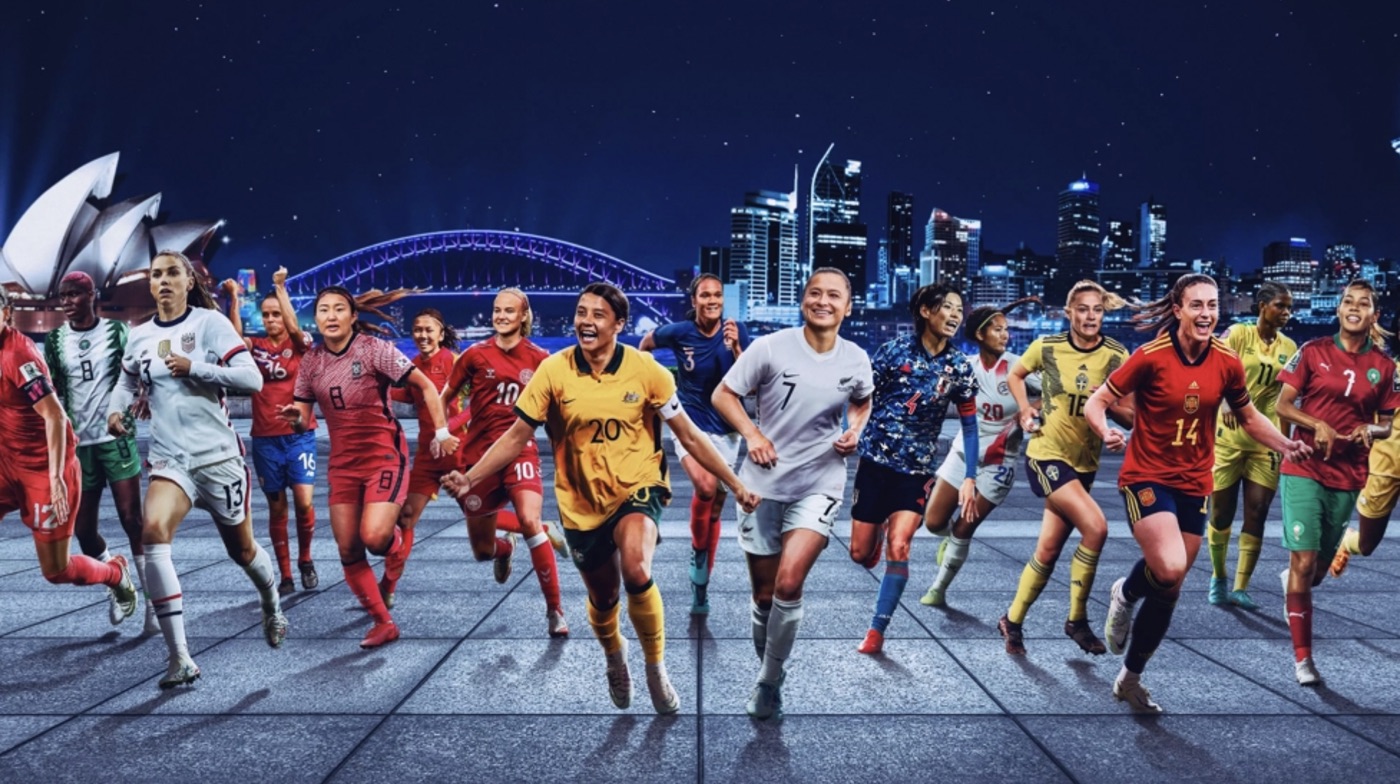
A brand opportunity built on engagement, not just reach.
The 2019 Women's World Cup reached 1.12 billion viewers, with 54% of the audience aged 16–34. 83% believe in greater equality strides; 56% have a stated interest in social issues; 84% second-screen on mobile. The 2023 tournament in Australia and New Zealand was a brand opportunity built on engagement, not just reach.
Global reach, regional skew.
Global reach distribution, 2019 Women's World Cup audience.
A tournament works because it connects countries. Pick brands whose products and missions map to that.
The brief asked for partners that could boost engagement and viewership. My selection logic stepped back one level: a global tournament works because it brings fans across countries together. The brands that should activate are the brands whose products and missions live on the same connectivity thesis. Three picks, three different sides of that thesis.
Expedia. The travel layer.
A global travel platform whose product is moving fans across borders. The host countries (Australia and New Zealand) sit on the far side of the world from most of the audience. Expedia's mission of democratizing travel mapped directly to making the tournament reachable beyond the host markets, and the brand's owned-media social presence gave it creative flexibility on activation.
Duolingo. The language layer.
A global language platform whose product reduces the friction between fan bases. A tournament with 32 nations puts a language barrier between every pair of fans. Duolingo's mascot, owned-media voice, and gamified product gave them a uniquely activatable position around tournament-week language challenges and country-pride campaigns.
Meta. The connectivity layer.
The social platform most fans would use to follow the tournament daily. Meta's product portfolio (Facebook, Instagram, Quest) covered awareness, daily engagement, and immersive-experience activation in one stack. The brand's "connecting people" positioning maps directly to a tournament's central premise.
Three different objectives, three different channel mixes.

Expedia Group
Channels. Search engine, TV/social, portfolio apps.
Marketing objectives. Maximize site traffic and sales; democratize travel access.
World Cup engagement. Portfolio-leverage for travel booking, social-driven promotional offers, tournament-themed deals.

Duolingo
Channels. TikTok, Instagram, Duolingo app.
Marketing objectives. Reach via owned media, multi-language co-branding, gamification + competition.
World Cup engagement. Language-of-the-tournament campaigns, country-pride activations, gamified language challenges.

Meta
Channels. Facebook, Instagram, Meta Quest.
Marketing objectives. Awareness, consideration, conversion across the funnel; app downloads; sales.
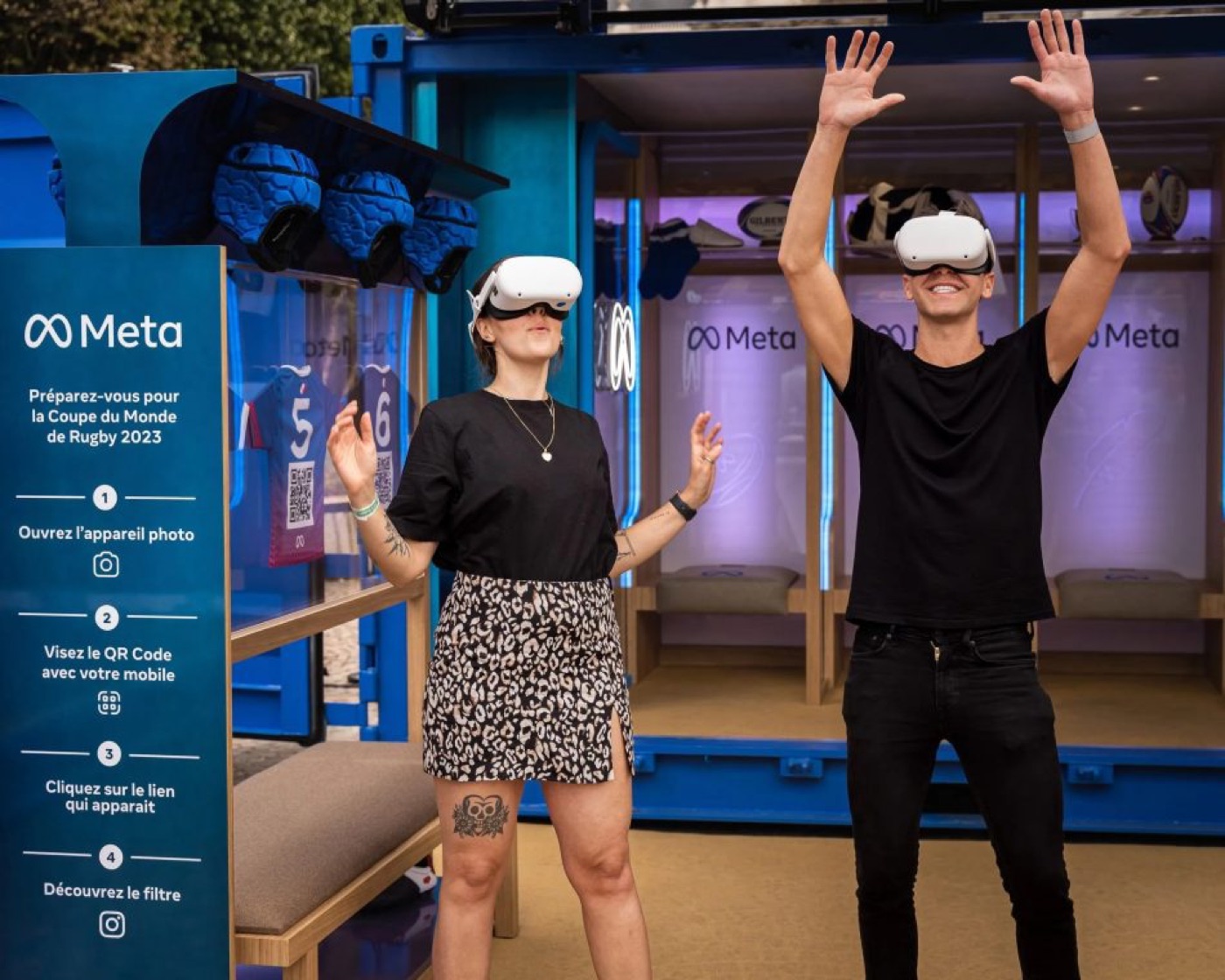
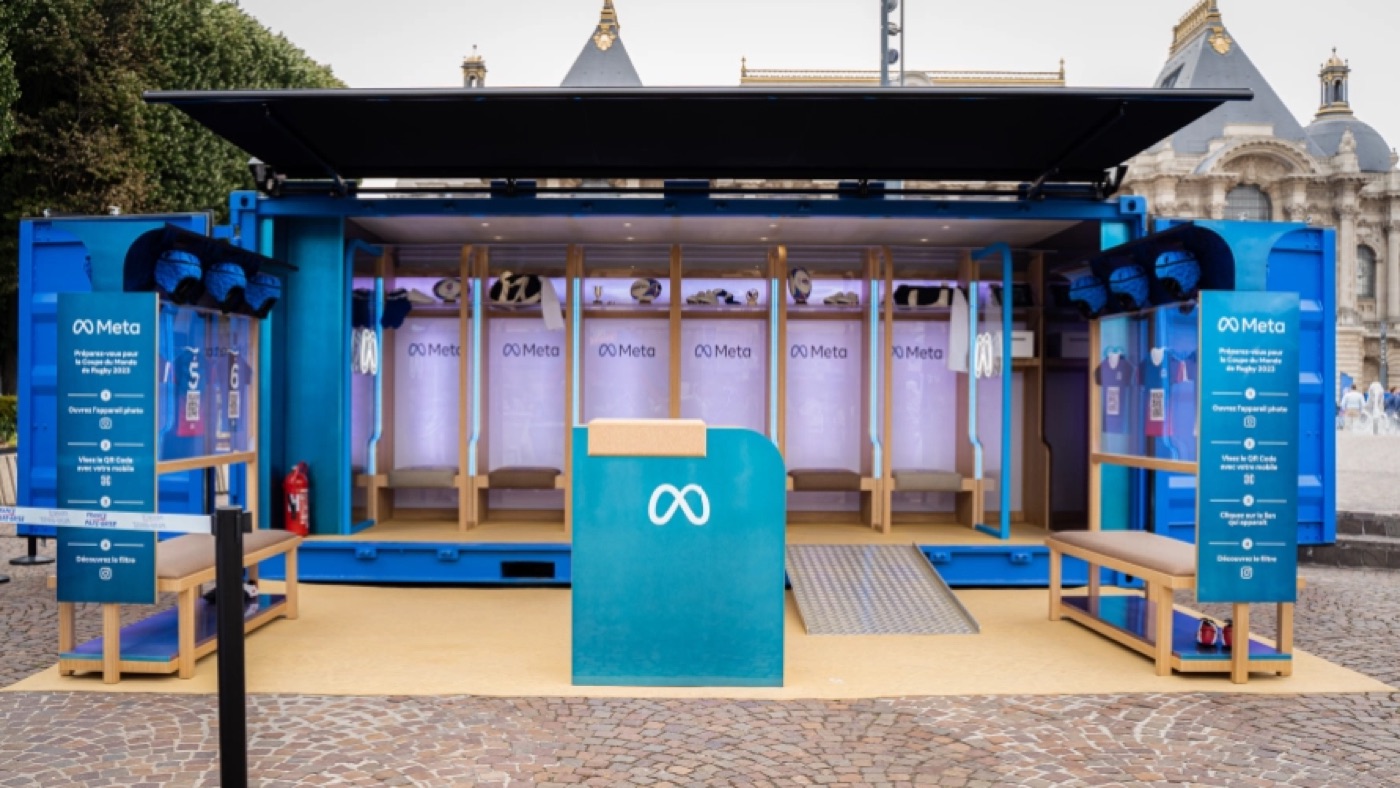
World Cup engagement. VR fan-experience pop-ups (locker rooms, Quest trial with co-branded mini-game), QR-code-activated giveaways, social-channel saturation, broadcast integrations.
Three additions, three years on.
- A measurement layer per brand. Each activation matched to a specific KPI: bookings (Expedia), daily active users (Duolingo), watch-time and post-engagement (Meta). With pre-tournament baselines and post-tournament comparisons.
- First-party data integration. Move beyond audience demographics into modeled overlap between each brand's existing customer file and the tournament's projected viewer base.
- An activation arc, not point-in-time campaigns. Pre-tournament storytelling, in-tournament daily moments, post-tournament retention plays. The 2019 WWC engagement bump faded fast for most brands; the plan should be designed for the long tail.
Three different brands, three different objectives, three different channel mixes. All anchored to the same property and audience. Sponsorship strategy is matching the asset to the brand's existing playbook, not making the brand bend to the property.
- Sponsorship strategy
- Audience-first strategy
- Property-brand fit
- Brand-mission and product fit
- Multi-brand activation
- Integrated campaign design
- Channel mix planning
- Take-home case-study development
- Senior-stakeholder presentation
- Brand storytelling